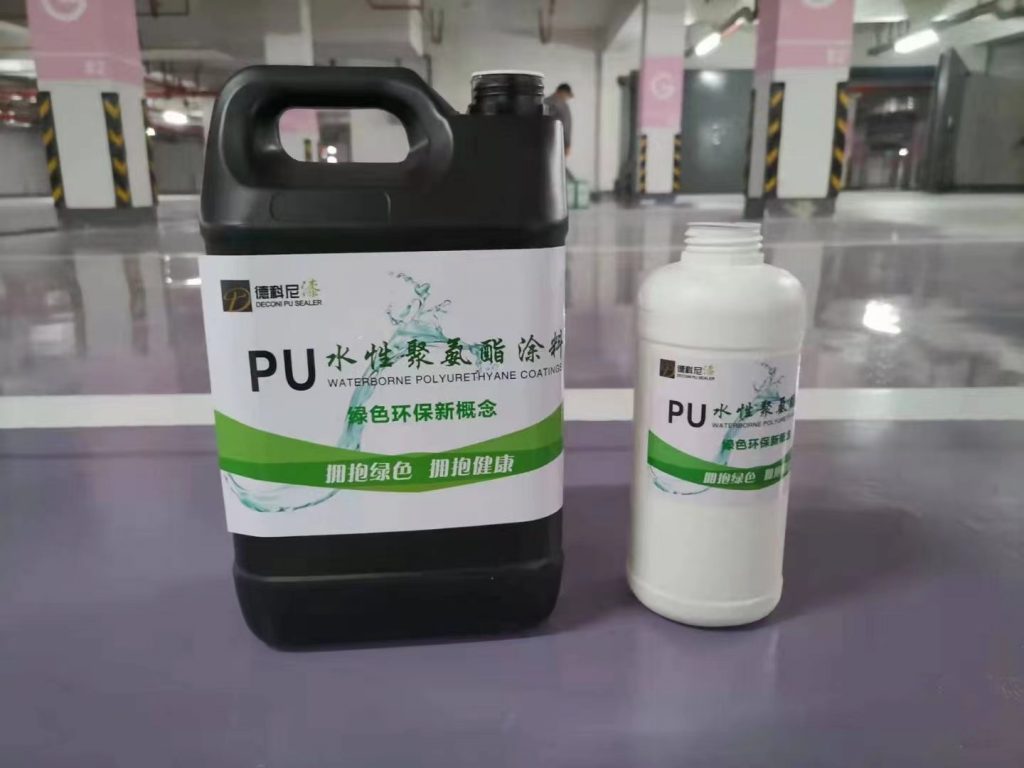
Decorative surfaces can look beautiful when they are newly completed, but daily use can gradually affect their appearance.
Dirt, water, stains, abrasion, repeated cleaning and moisture can all reduce the performance and appearance of a finished surface.
A water-based polyurethane clear topcoat provides an additional protective layer over many decorative and flooring systems. It can be used on surfaces such as microcement, artistic/decorative paint, cement, epoxy flooring, terrazzo and other suitable wall and floor substrates.
The purpose is simple: protect the finished surface while maintaining its original color, texture and visual effect.
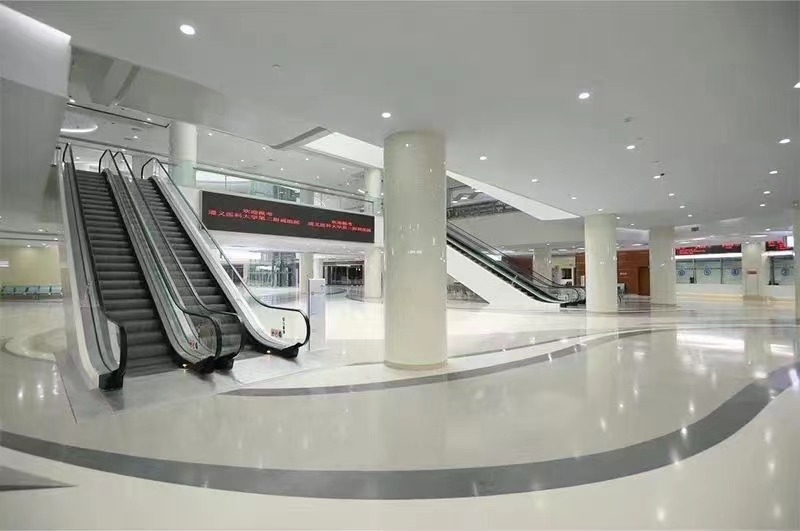
Why Use a Clear Polyurethane Topcoat?
A decorative coating is not only about appearance. In practical applications, the surface also needs to withstand daily use.
A suitable clear polyurethane topcoat can provide several protective functions:
High stain resistance
High surface hardness
Water resistance
Abrasion and wear resistance
Anti-slip performance when formulated/textured appropriately
Mold resistance
Good scrub and cleaning resistance
Protection for decorative finishes
Clear appearance with different gloss options
This makes the clear topcoat useful for both wall and floor applications, depending on the specific coating system and project requirements.
1. Suitable for Different Decorative and Flooring Systems
One of the advantages of a water-based polyurethane clear topcoat is its versatility.
It can be used as a protective finish over a variety of suitable substrates and coating systems, including:
Microcement
Microcement is widely used for seamless walls and floors because of its modern, minimalist appearance.
However, the decorative surface still needs protection from:
Daily dirt
Water exposure
Food and beverage stains
Cleaning
Foot traffic
General abrasion
A polyurethane clear coat can help protect the microcement finish while maintaining its decorative appearance.
Artistic and Decorative Paint
Artistic paint and decorative wall finishes often rely on texture, color and surface effects.
A transparent topcoat can help improve the surface’s resistance to everyday contamination and cleaning while preserving the underlying decorative effect.
It is suitable for decorative walls where both appearance and practical performance are important.
Cement and Concrete Surfaces
Cement-based surfaces can be porous and relatively difficult to clean without additional surface protection.
A suitable clear polyurethane coating can form a protective film that helps reduce water and stain penetration and makes routine cleaning easier.
Epoxy Flooring
Epoxy floors are commonly used in workshops, commercial spaces, garages and other areas requiring a durable floor finish.
A polyurethane clear topcoat can be used as part of a compatible coating system to provide additional surface protection and enhance resistance to daily wear, stains and cleaning.
Compatibility testing should always be carried out before application.
Terrazzo
Terrazzo provides a unique decorative appearance, but its surface can require protection from staining and daily wear.
A clear protective topcoat can help maintain the appearance of terrazzo while improving surface cleanability and resistance to everyday contamination.
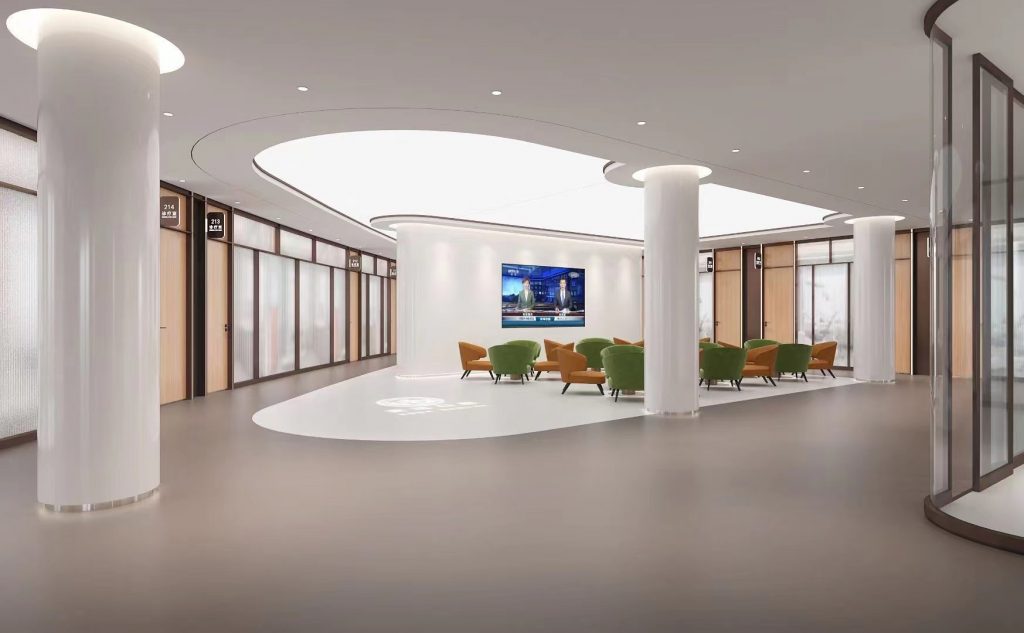
2. High Stain Resistance for Easier Cleaning
One of the most practical advantages of a protective clear coat is stain resistance.
Walls and floors are exposed to many contaminants during daily use:
Coffee
Tea
Oil
Food
Dust
Mud
Hand marks
Other common household or commercial contaminants
Without sufficient surface protection, contaminants can penetrate or adhere to the substrate and become difficult to remove.
The polyurethane clear topcoat creates a protective surface that helps reduce contamination and makes routine cleaning easier.
For commercial and residential projects, this means the finished surface can remain cleaner with less maintenance.
Easy to clean doesn’t mean no maintenance.
The actual stain resistance depends on the complete coating system, substrate condition, contamination type and exposure time.
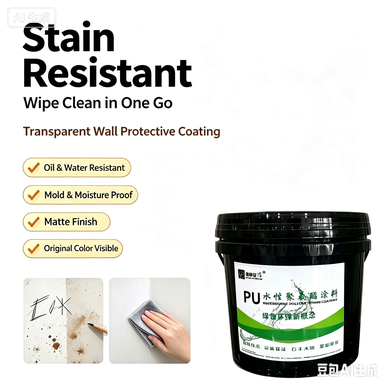
3. High Hardness and Wear Resistance
For flooring applications, surface hardness is particularly important.
Daily traffic can cause:
Scratches
Scuff marks
Surface wear
Loss of appearance
A high-hardness polyurethane clear coat can provide a more durable protective surface over suitable coating systems.
It can be particularly useful in areas exposed to regular pedestrian traffic or routine cleaning.
For heavier industrial traffic, forklifts, pallet trucks or other demanding conditions, the complete flooring system should be evaluated according to the actual service requirements.
4. Water Resistance for Wet and Frequently Cleaned Areas
Water and moisture are common challenges for many decorative surfaces.
A properly applied polyurethane clear topcoat can provide a water-resistant protective layer and reduce direct water contact with the underlying decorative coating.
This can be useful for:
Bathrooms
Kitchens
Commercial spaces
Decorative floors
Residential walls
Areas requiring frequent cleaning
However, surface waterproofing performance should not be confused with waterproofing of the entire building structure.
If the substrate has continuous rising moisture, leakage or water pressure from behind, the moisture problem must be solved before applying the coating.
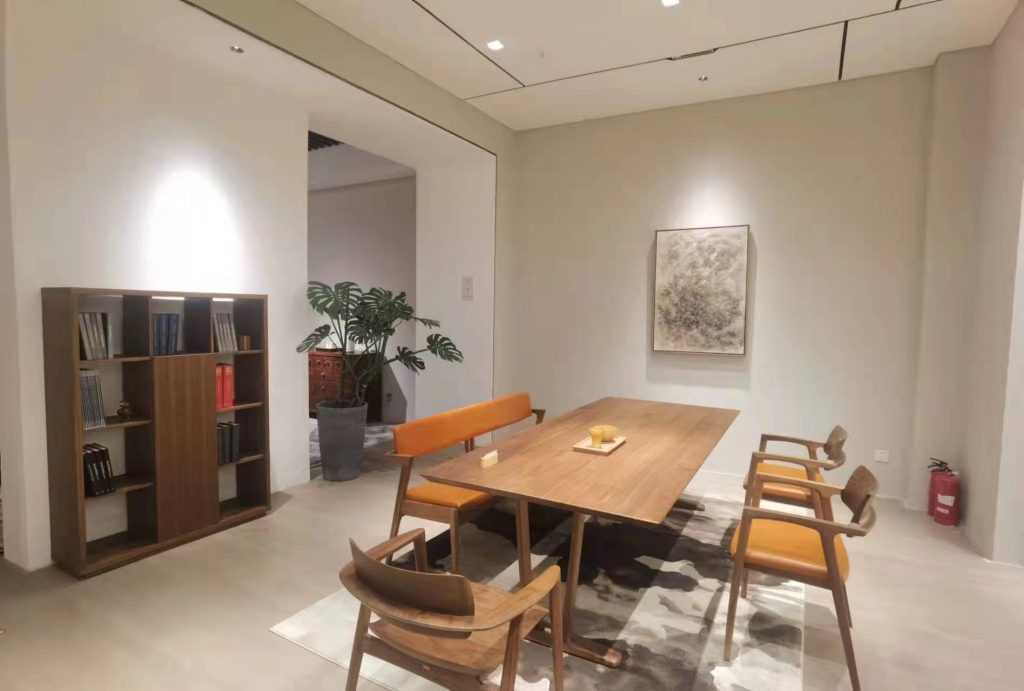
5. Mold Resistance in Moist Environments
Moist environments can create conditions favorable for mold growth.
A properly formulated protective topcoat with mold-resistant properties can help reduce the risk of surface mold growth.
Potential applications include:
Bathrooms
Kitchens
Utility areas
Commercial wet areas
Moisture-prone interior walls
The coating itself cannot replace proper ventilation, drainage or moisture control.
For long-term performance, the substrate should be dry enough and free from continuous moisture intrusion before coating.
6. Scrub Resistance for Daily Maintenance
Decorative walls and floors often need to be cleaned repeatedly.
If the surface is not sufficiently resistant to cleaning, repeated scrubbing can gradually affect the appearance.
A polyurethane clear topcoat can improve the surface’s resistance to routine cleaning and scrubbing.
This makes it suitable for environments where appearance and hygiene are both important.
For example:
Residential:
Bathrooms, kitchens, living spaces and decorative floors.
Commercial:
Restaurants, showrooms, offices, retail spaces and hospitality areas.
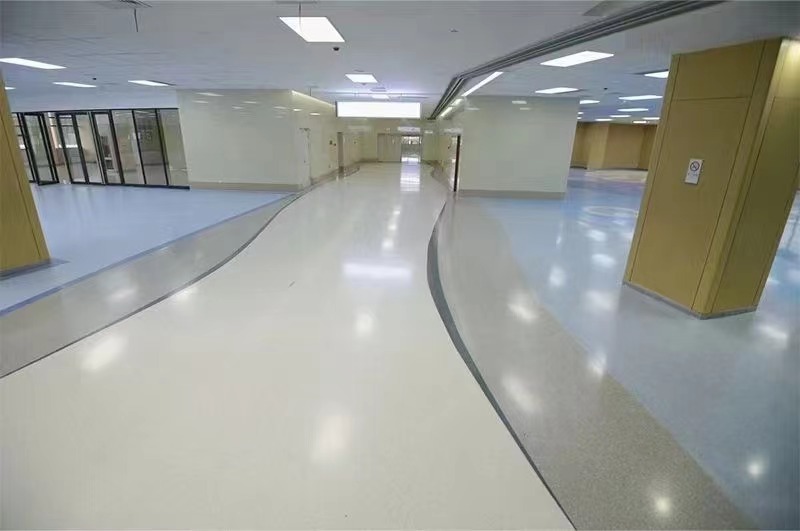
7. Anti-Slip Performance Can Be Designed Into the System
A glossy floor can look attractive, but slip resistance must also be considered.
For flooring applications, anti-slip performance can be achieved by using an appropriate surface texture or anti-slip additive in the coating system.
The final slip resistance depends on:
Surface texture
Aggregate or anti-slip additive
Coating thickness
Application method
Wet or dry conditions
Cleaning conditions
Therefore, for areas where slip resistance is critical, the complete system should be tested according to the relevant local or project standard.
8. Suitable for Both Walls and Floors
The same transparent protective concept can be used across different applications.
Wall Applications
Suitable project types may include:
Microcement walls
Artistic paint
Decorative paint
Cement walls
Feature walls
Commercial interiors
Floor Applications
Suitable project types may include:
Microcement floors
Cement floors
Epoxy floors
Terrazzo
Decorative floors
Residential and commercial flooring
Using a clear protective finish allows designers and contractors to maintain the original decorative effect instead of covering it with an opaque coating.
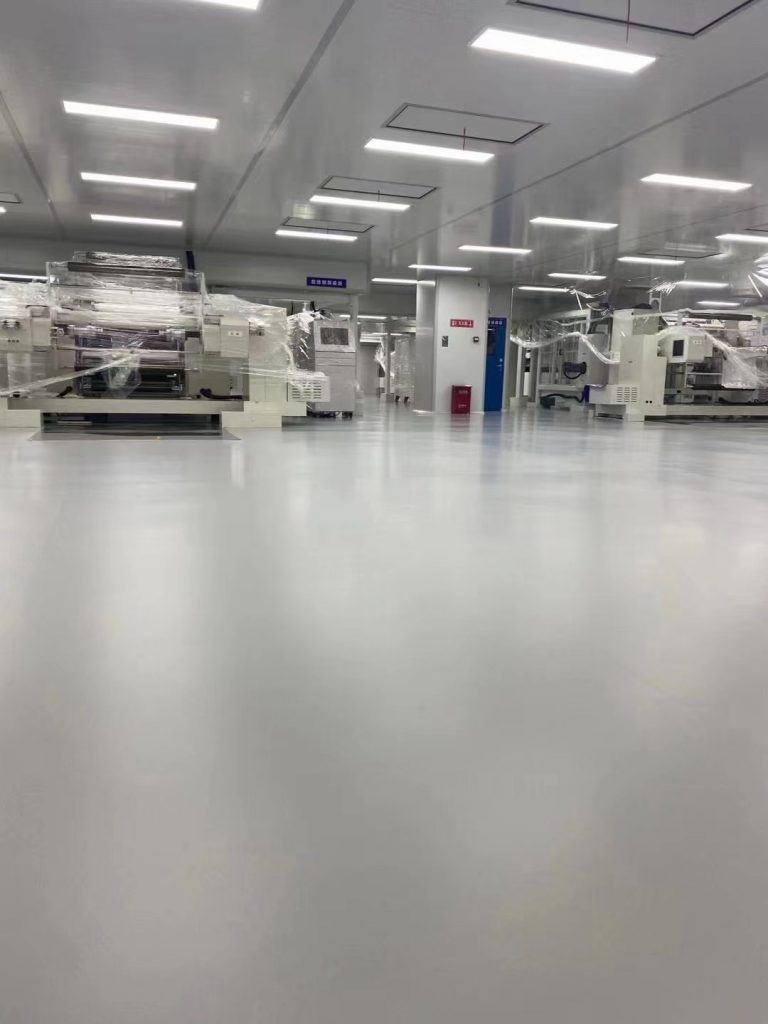
9. A Simple Protective Layer for Renovation Projects
In renovation projects, the existing decorative effect may already be attractive, but the surface performance may not be sufficient for the new application environment.
Instead of completely replacing the finish, a compatible transparent polyurethane topcoat can provide an additional protective layer.
A typical renovation concept can be:
Existing Surface → Surface Preparation → Compatible Primer if Required → Water-Based Polyurethane Clear Topcoat
The exact process depends on the existing substrate and its condition.
For example, old terrazzo, cement surfaces, epoxy flooring and decorative coatings may require different preparation methods.
10. Surface Preparation Is Critical
Even a high-performance clear coat cannot compensate for poor surface preparation.
Before application, the substrate should generally be:
Clean
Stable
Free from loose material
Free from oil and grease
Free from dust
Free from contaminants that could affect adhesion
For previously coated surfaces, compatibility and adhesion should be checked before full application.
A small test area is recommended when the existing coating, substrate or surface condition is uncertain.
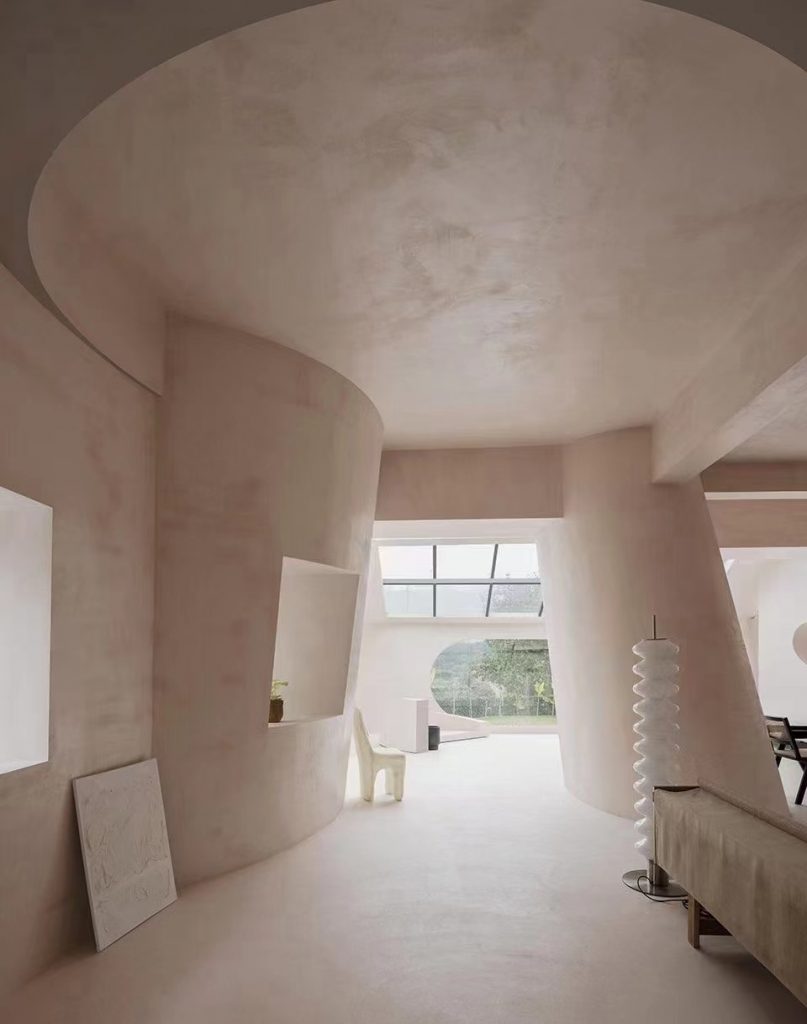
11. Recommended Application Process
A general application process can include:
Step 1 — Inspect the Surface
Identify the substrate and check for cracks, loose coating, contamination, moisture and other potential problems.
Step 2 — Clean and Prepare
Remove dust, grease, loose particles and other contaminants.
Repair or treat defects when necessary.
Step 3 — Check Compatibility
For microcement, artistic paint, epoxy, terrazzo or previously coated surfaces, perform a small adhesion and compatibility test before large-scale application.
Step 4 — Apply the Clear Topcoat
Apply the water-based polyurethane clear coat evenly according to the product’s technical data sheet.
Avoid excessive thickness or uneven application.
Step 5 — Allow Sufficient Drying
Allow sufficient drying and curing time before cleaning, heavy traffic or exposure to water.
Actual drying and curing time depends on temperature, humidity, ventilation, coating thickness and substrate conditions.
12. One Clear Topcoat, Multiple Applications
The biggest value of a transparent polyurethane topcoat is not simply that it is “clear.”
It is a protective layer designed to extend the practical performance of decorative surfaces.
From microcement and artistic paint to cement, epoxy and terrazzo, a suitable clear polyurethane system can help provide:
Stain Resistance + High Hardness + Water Resistance + Scrub Resistance + Mold Resistance + Anti-Slip Options
while maintaining the original decorative appearance.
For contractors, designers and material distributors, this means one protective technology can be integrated into different decorative and flooring solutions.
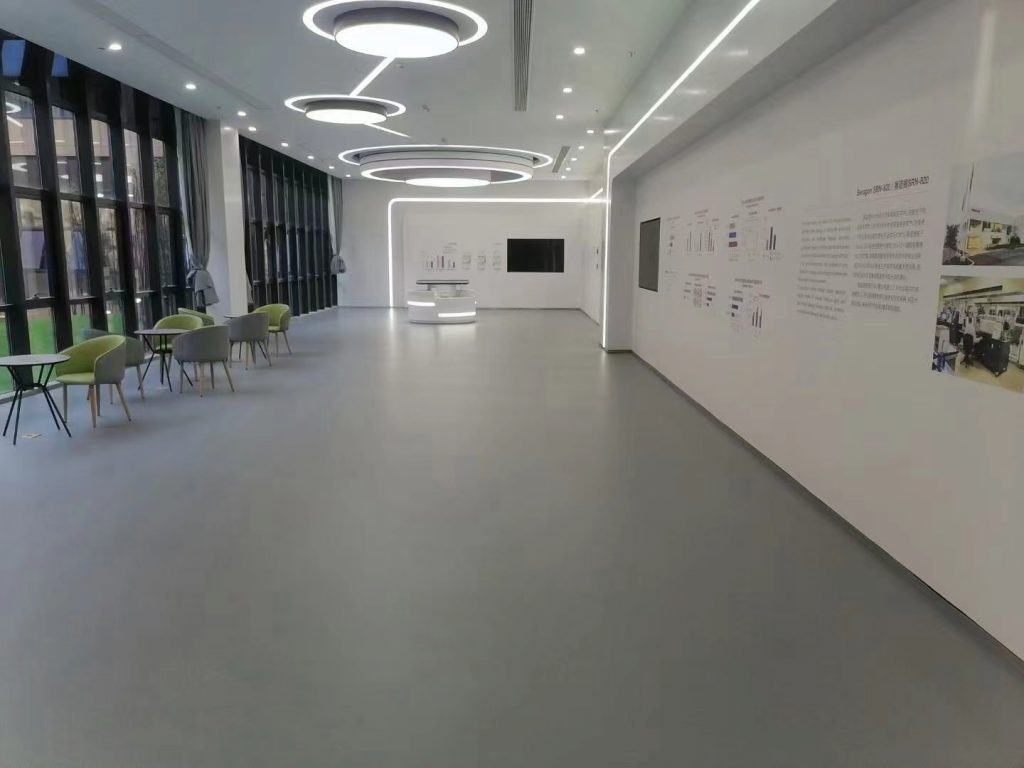
A beautiful decorative surface needs more than a good-looking finish. It also needs protection against the conditions it will face every day.
A water-based polyurethane clear topcoat can be used as a protective finish for suitable microcement, artistic paint, cement, epoxy, terrazzo and other wall and floor systems.
With properties such as high hardness, stain resistance, water resistance, scrub resistance and mold resistance, it can help create surfaces that are easier to maintain and better suited to everyday use.
The key to long-term performance is not only the topcoat itself, but the complete coating system, correct surface preparation, compatibility and proper application.
If you are a contractor, flooring installer, decorative coating company or material distributor looking for a transparent protective coating for walls or floors, a water-based polyurethane clear topcoat can be considered as part of your coating solution.
Thanks for your reading. Leave a message if you need samples
Leave a Reply