A Waterborne Polyurethane Weather-Resistant Color Coat + Clear Topcoat Solution
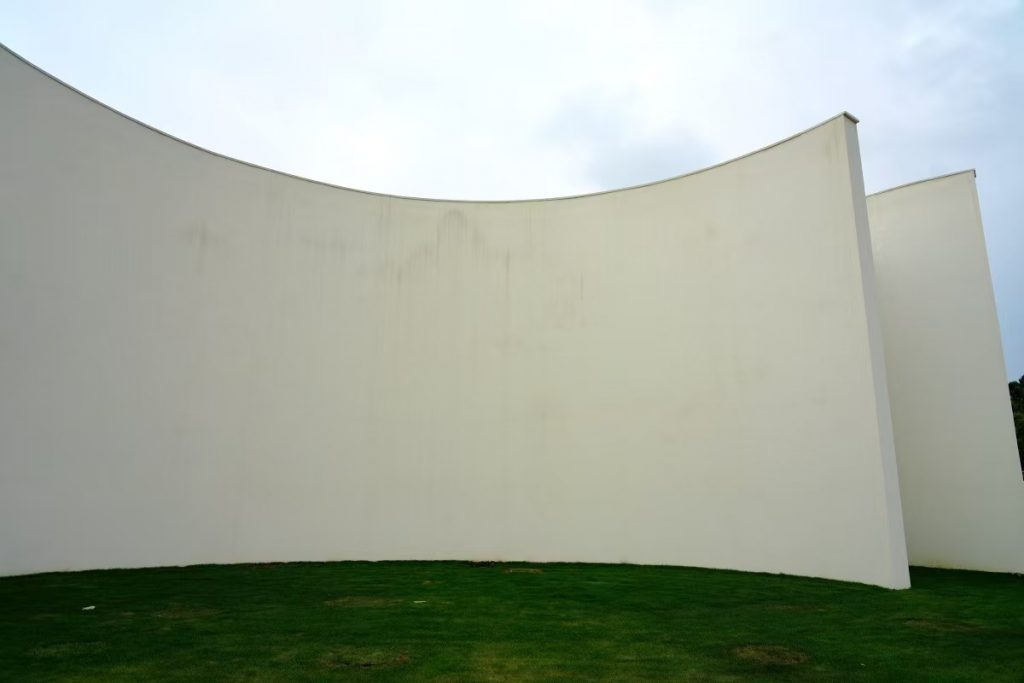
For outdoor surfaces, the real test of a coating is not how it looks on the day of completion.
The real challenge comes after 3, 5 or even more years of outdoor exposure.
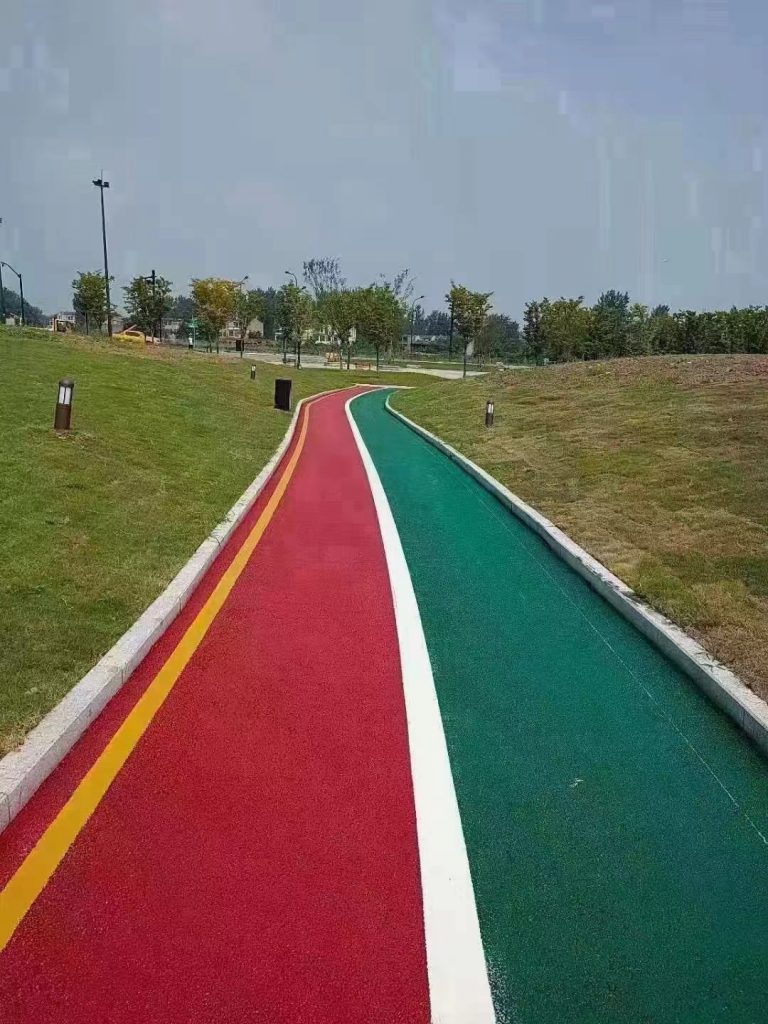
Wooden cabins, outdoor running tracks, exterior walls and other outdoor decorative surfaces are constantly exposed to:
- Strong UV radiation
- Rain and moisture
- Temperature changes
- Dust and environmental contaminants
- Frequent cleaning
- Daily abrasion
- Long-term weather exposure
Over time, these factors can gradually affect both the appearance and performance of the coating.
Two of the most common problems are:
The surface becomes dirty and harder to clean.
And:
The color gradually loses its richness and starts to fade or look aged.
For beautifully designed cabins, colorful running tracks and architectural façades, this means more frequent maintenance and renovation.
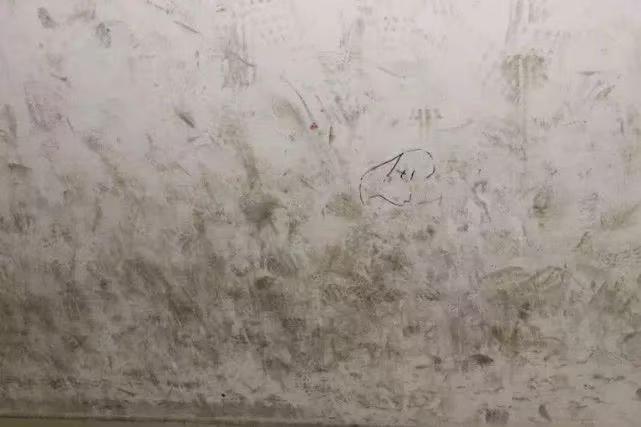
1.Why Do Outdoor Surfaces Get Dirty?
Outdoor contamination is not simply about dust.
Over time, surfaces can accumulate dust, mud, rain-borne contaminants and other environmental dirt.
If the coating surface is difficult to clean or does not have sufficient surface protection, contaminants can gradually become harder to remove.
This is particularly noticeable with:
White, light-colored and highly saturated finishes.
That is why an outdoor coating needs to offer more than good color.
It also needs:
A well-protected surface + scrub resistance + easy maintenance.
2.Why Does Outdoor Color Fade?
One of the major factors behind outdoor color change is UV exposure.
Long-term UV radiation can gradually affect the coating binder and the appearance of the pigments.
Combined with:
UV + rain + temperature changes + humidity + oxidation
the coating may eventually experience:
- Color fading
- Loss of color richness
- Changes in gloss
- Surface aging
- Chalking or deterioration of the original appearance
Therefore, if a project needs to maintain a rich and attractive color for years, simply choosing a colored paint is not enough.
Long-term outdoor color protection should be considered as a complete coating system.
3.Why Use a Weather-Resistant Color Coat + Clear Topcoat?
Our solution is not simply about adding another layer of ordinary paint.
Instead, it uses two coatings with different functions:
Layer 1: Waterborne Polyurethane Weather-Resistant Color Coat
Main function:
Color + Base Protection
The waterborne polyurethane system provides a durable decorative color layer with suitable flexibility and surface performance for outdoor coating applications.
The weather-resistant color coat provides a consistent and attractive finish while creating a suitable base for the protective clear coat.
Layer 2: Waterborne Polyurethane Clear Topcoat
Main function:
Surface Protection + Stain Resistance + Scrub Resistance + Water Resistance + Wear Protection
The clear topcoat does not hide the original color.
Instead, it creates a transparent protective layer over the color coat.
In simple terms:
The color coat makes it look good.
The clear topcoat helps protect it.
Together, the two-layer system provides more complete surface protection against everyday outdoor contamination, cleaning and wear than relying on the color layer alone.
4.Can the Surface Be Rinsed Clean After Rain and Dust?
This is particularly important for outdoor applications.
For normal outdoor dust, mud and surface contaminants, a properly designed and applied polyurethane topcoat can make the surface easier to maintain.
Depending on the level of contamination, routine cleaning can include:
Water rinsing → Soft brushing/mopping → A suitable neutral cleaner when necessary
For ordinary dust and mud, simple water cleaning can often significantly improve the surface appearance.
This means:
Less frequent repainting and less complicated maintenance.
Of course, heavy oil contamination, aggressive chemicals and long-term stubborn stains may require specific cleaning methods.
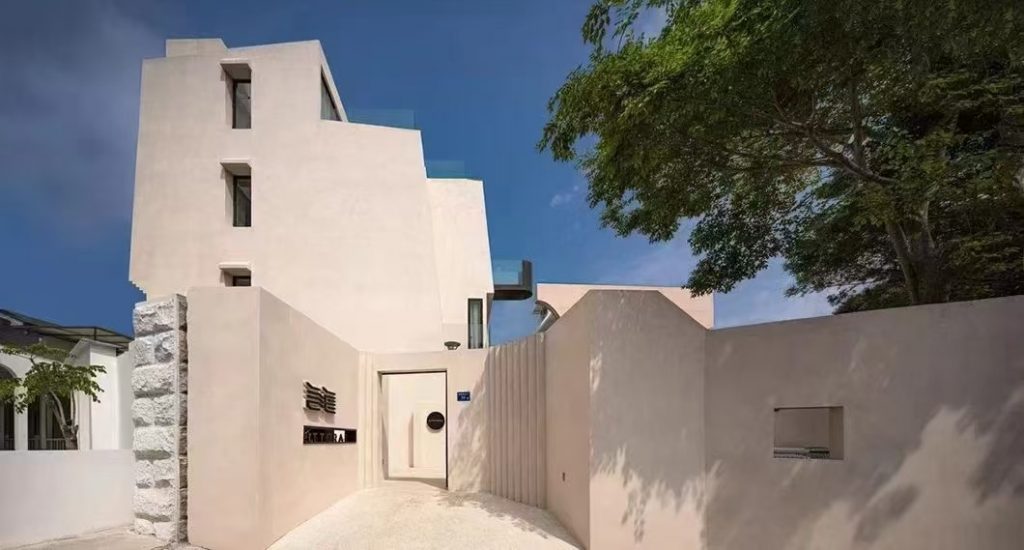
5.Why Is the Clear Topcoat So Important?
Many outdoor projects focus mainly on choosing the right color, but overlook one important question:
How will the color be protected?
The weather-resistant color coat provides the decorative color, but long-term outdoor exposure also means dealing with:
UV + rain + dust + cleaning + abrasion.
A clear polyurethane topcoat acts as an additional protective shield over the surface.
It can help to:
✔ Reduce surface contamination
Make the surface less prone to holding everyday dirt and contaminants.
✔ Improve scrub resistance
Provide better resistance during routine cleaning.
✔ Improve water resistance
Reduce the direct impact of water on the decorative surface.
✔ Improve surface wear protection
Help reduce direct abrasion of the color layer.
✔ Help maintain color appearance
By providing an additional protective layer, the clear topcoat can help maintain color richness and the overall decorative appearance over long-term outdoor exposure.
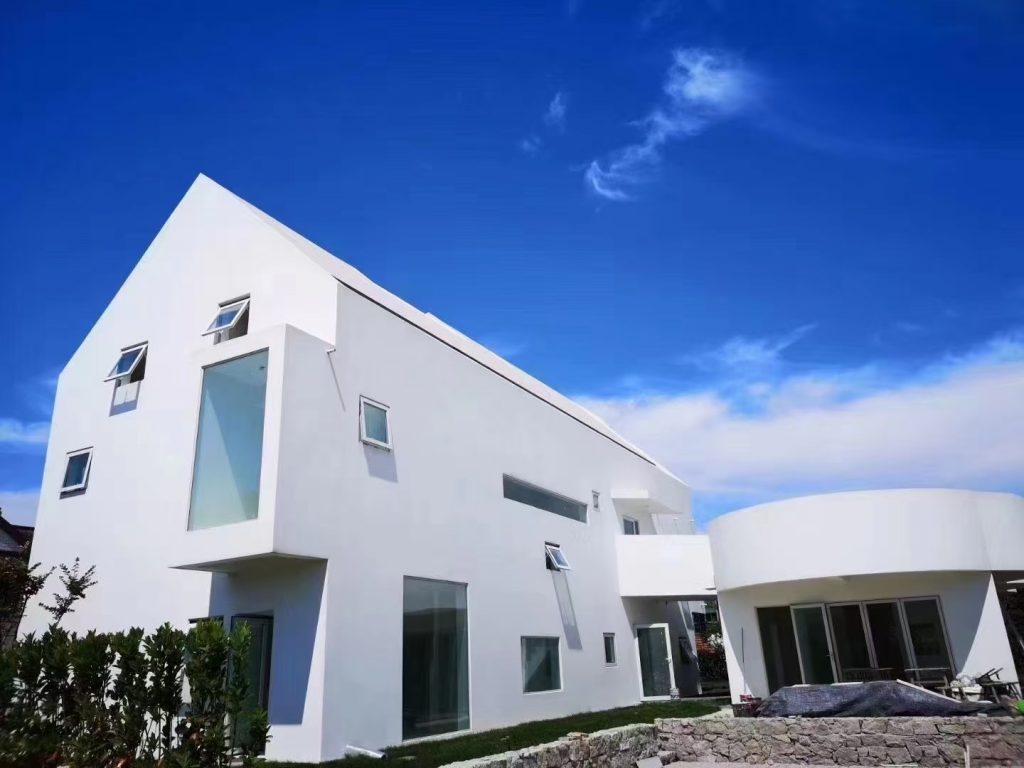
6.Can the Color Stay Rich for 5–10 Years?
For outdoor coatings, 5–10 years should not be understood as a fixed lifetime for every project.
Actual service life depends on many factors, including:
- UV intensity
- Temperature variation
- Rainfall and humidity
- Substrate type
- Surface preparation
- Coating thickness
- Application quality
- Exposure conditions
- Cleaning and maintenance
Therefore, a more professional way to describe the performance is:
Under suitable substrate conditions, system design, application and maintenance, a waterborne polyurethane weather-resistant color coat combined with a clear protective topcoat can help provide long-term color retention and surface protection, with a target service period of approximately 5–10 years depending on the exposure environment.
The goal is not simply to promise a number.
The goal is to help the coating maintain:
Good color appearance + surface protection + easier maintenance
for many years of outdoor use.
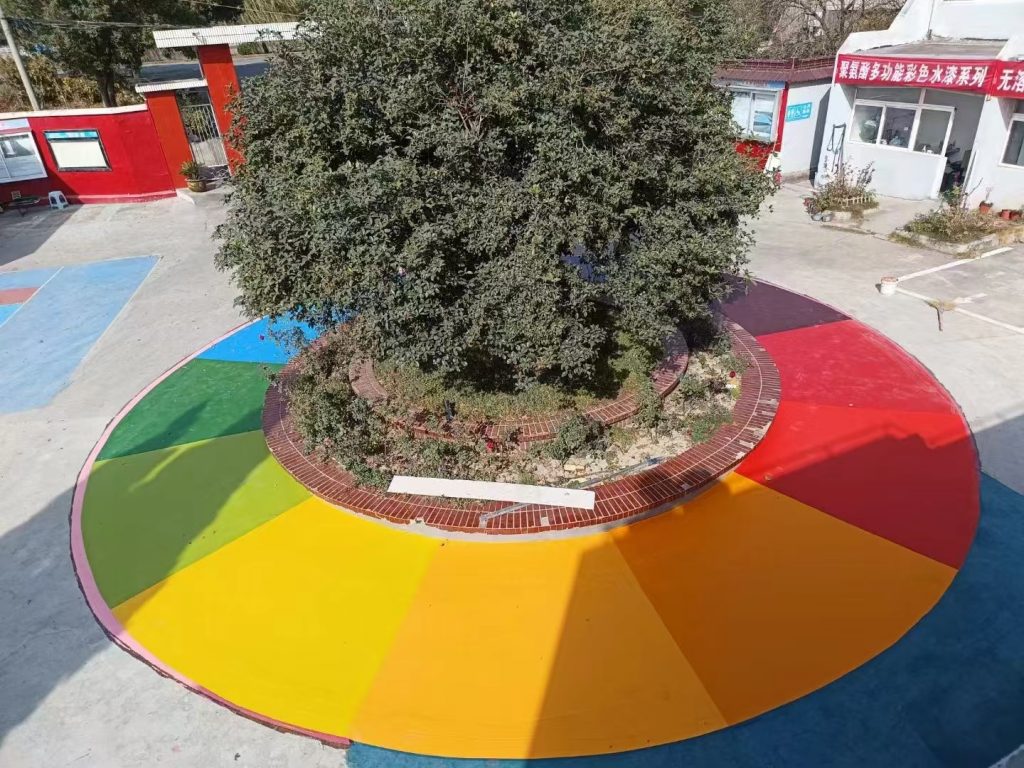
7.Where Can This System Be Used?
This coating concept is particularly suitable for outdoor projects where color retention, weather resistance and easy maintenance are important.
Potential applications include:
** Wooden Cabins & Timber Structures
For improving long-term color appearance and routine maintenance of suitable outdoor wood surfaces.
** Outdoor Running Tracks & Sports Surfaces
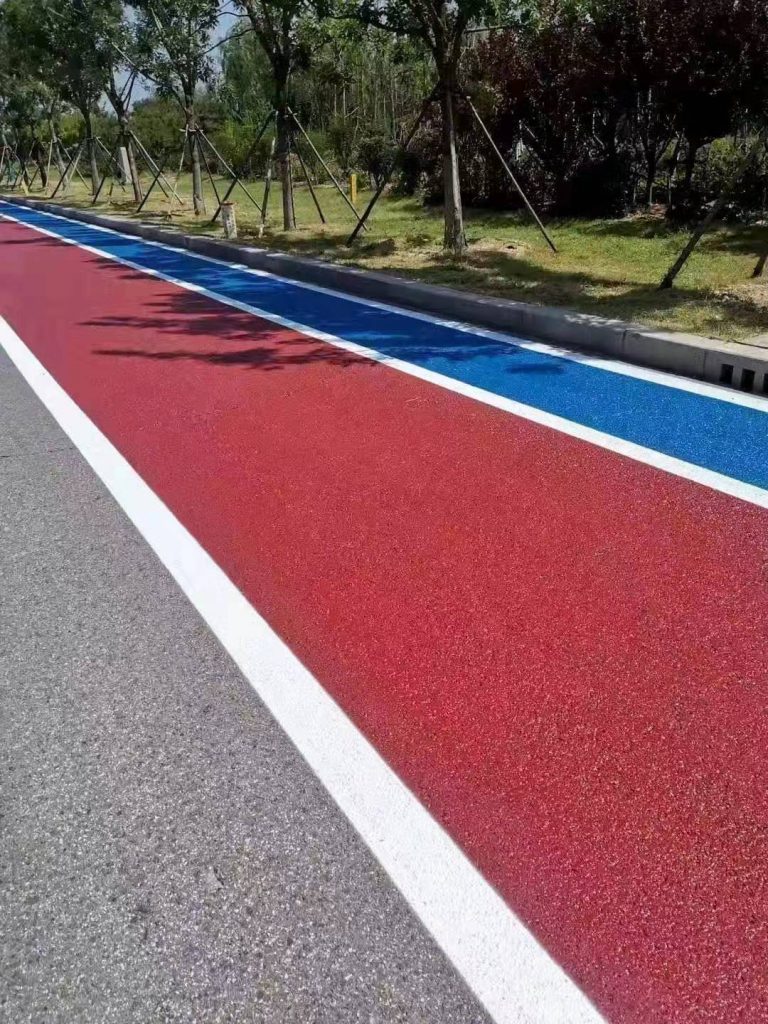
For suitable substrates and coating systems where color retention and easy maintenance are required.
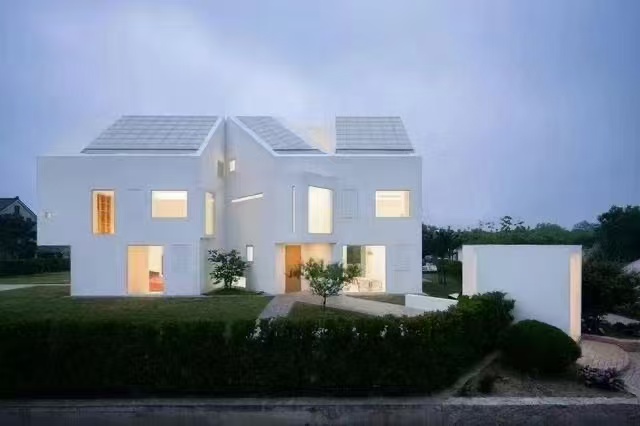
** Exterior Walls & Building Facades
For architectural surfaces where long-term decorative appearance is important.
** Outdoor Landscape Structures
Such as decorative walls and outdoor architectural elements.
** Commercial & Public Spaces
For hotels, commercial buildings and public facilities where appearance and maintenance are important.
The final system should always be selected according to the substrate, existing coating condition, exposure environment and project requirements.
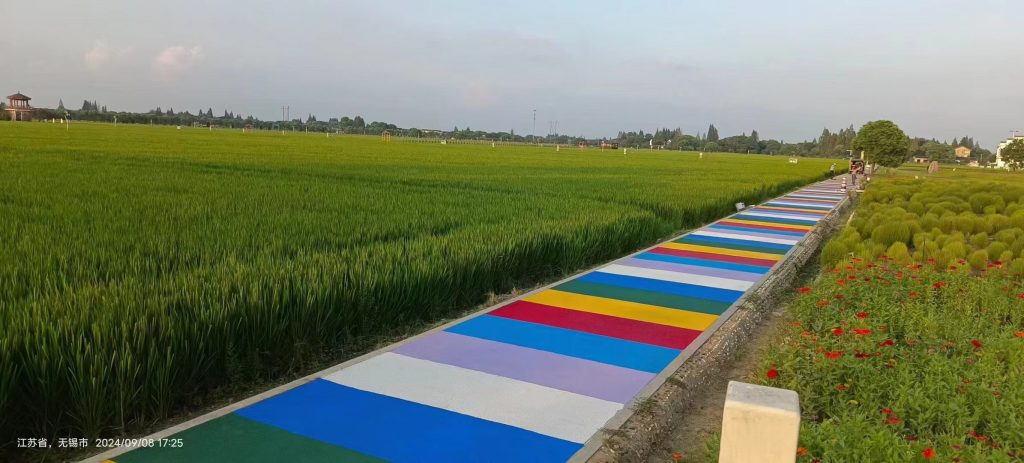
8.A More Complete Outdoor Protection System
The complete concept can be summarized as:
Suitable Substrate → Waterborne PU Weather-Resistant Color Coat → Waterborne PU Clear Topcoat → Proper Curing → Routine Maintenance
The goal is:
Color
Rich and consistent appearance
↓
Protection
Transparent protective layer
↓
Easy Maintenance
Better scrub resistance and easier cleaning
↓
Long-Term Appearance
Better long-term appearance retention
This is the approach we believe makes an outdoor coating system more practical for long-term use.
The real value of an outdoor coating is not simply making a project look beautiful on the day it is completed.
The real goal is to help the surface maintain its color, protection and appearance after years of sun, rain, dust and daily use.
Waterborne Polyurethane Weather-Resistant Color Coat + Clear Polyurethane Topcoat
For outdoor surfaces that are:
More weather-resistant.
More stain-resistant.
More scrub-resistant.
And easier to maintain.
Thank you for you reading.Feel free to contact us for samples and quotations.
Leave a Reply